The Desert That Turns Silver After Dark
At White Sands, moonlight transforms the world’s largest gypsum dune field and teaches the eye to slow down.
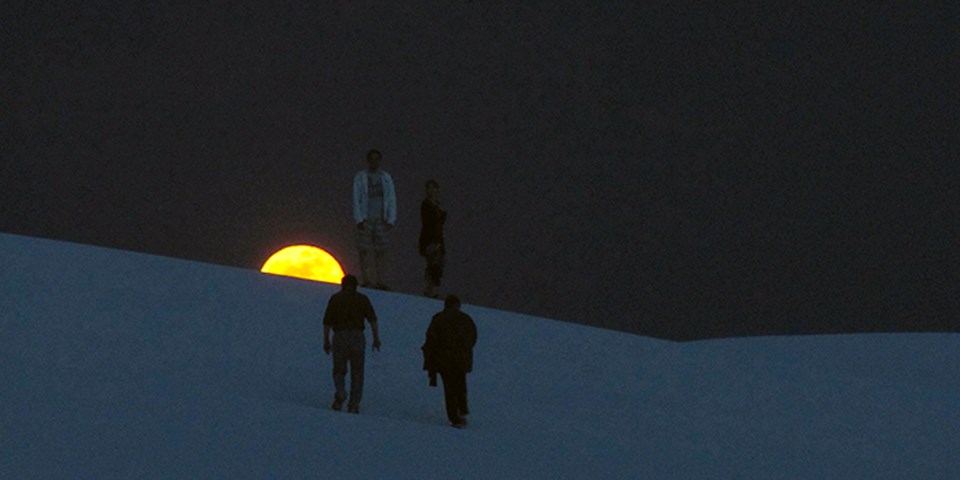
White Sands under a full moon does not look like a desert. The gypsum dunes catch the light and turn silver, shadows sharpen across the ripples, and the landscape begins to resemble snow, salt or another planet. In 2026, the national park is extending evening access on selected full-moon dates, offering a rare chance to watch daylight drain from one of America’s strangest horizons.
When the desert changes color
During the day, White Sands can be almost aggressively bright. The world’s largest gypsum dune field reflects the New Mexico sun in pale curves that seem to erase distance. At night, the same reflective quality produces something softer. Moonlight spreads across the dunes, and the absence of strong color makes shape, texture and silence feel newly vivid.
The effect is both cinematic and disorienting. The Tularosa Basin is still a desert, but the expected visual cues have disappeared. Sand looks like snow. Warm ground appears cool. Your own shadow can stretch beside you under the full moon. Travel is most powerful when a familiar element becomes strange again; here, it happens with light.
A night designed for slower attention
White Sands schedules Full Moon Nights from May through October, generally extending park hours beyond the usual closing time. Some dates include music, ranger programs or presentations; others simply allow visitors to remain in the dunes as the moon rises. Reservations are not required for the general Full Moon Night access, although entrance fees still apply.
Separate ranger-led Moonlight Hikes run on selected dates from March through November and require tickets. Those walks are intentionally low-tech: no flash photography, headlamps or flashlights during the program unless a ranger permits them. The constraint protects night vision and changes the rhythm of attention. Instead of lighting the landscape yourself, you wait for your eyes to adapt.
The beauty requires preparation
This is not a styled photo set. Temperatures can drop quickly after sunset, monsoon storms can build from July through September and the dune field is easy to misread in darkness. The park recommends extra layers, water and awareness of rapidly changing weather. During guided hikes, visitors must stay with the group because white dunes offer few obvious landmarks at night.
The same restraint applies to the image. Flash can flatten the atmosphere that made the trip worthwhile. A quieter approach—watching the contours, listening for wind and allowing the moon to become the only key light—produces a deeper memory than chasing a perfect frame.
Why this belongs on the list now
The remaining 2026 Full Moon Night dates are September 26 and October 25, with extended park hours and scheduled programs listed by the National Park Service. Moonlight Hikes continue later into the year, subject to tickets and conditions. Plans can change because of weather or nearby missile-range activity, so the park’s current guidance should be checked before driving out.
White Sands is often photographed as a place of graphic perfection: clean ridges, minimal color, a single figure against an empty field. The fuller experience is less polished and more affecting. Wind edits the surface. Footprints disappear. The temperature falls. Then the moon rises and the desert becomes luminous without making a sound. That is the journey: not only to a place, but into a different way of seeing it.
Sources
National Park Service: White Sands Full Moon Night
National Park Service: Moonlight Hike
National Park Service: White Sands geology