
Kīlauea Threw Fire 500 Feet Into the Sky
Episode 54 made geologic time visible for nine incandescent hours at Hawaiʻi’s most closely watched volcano.
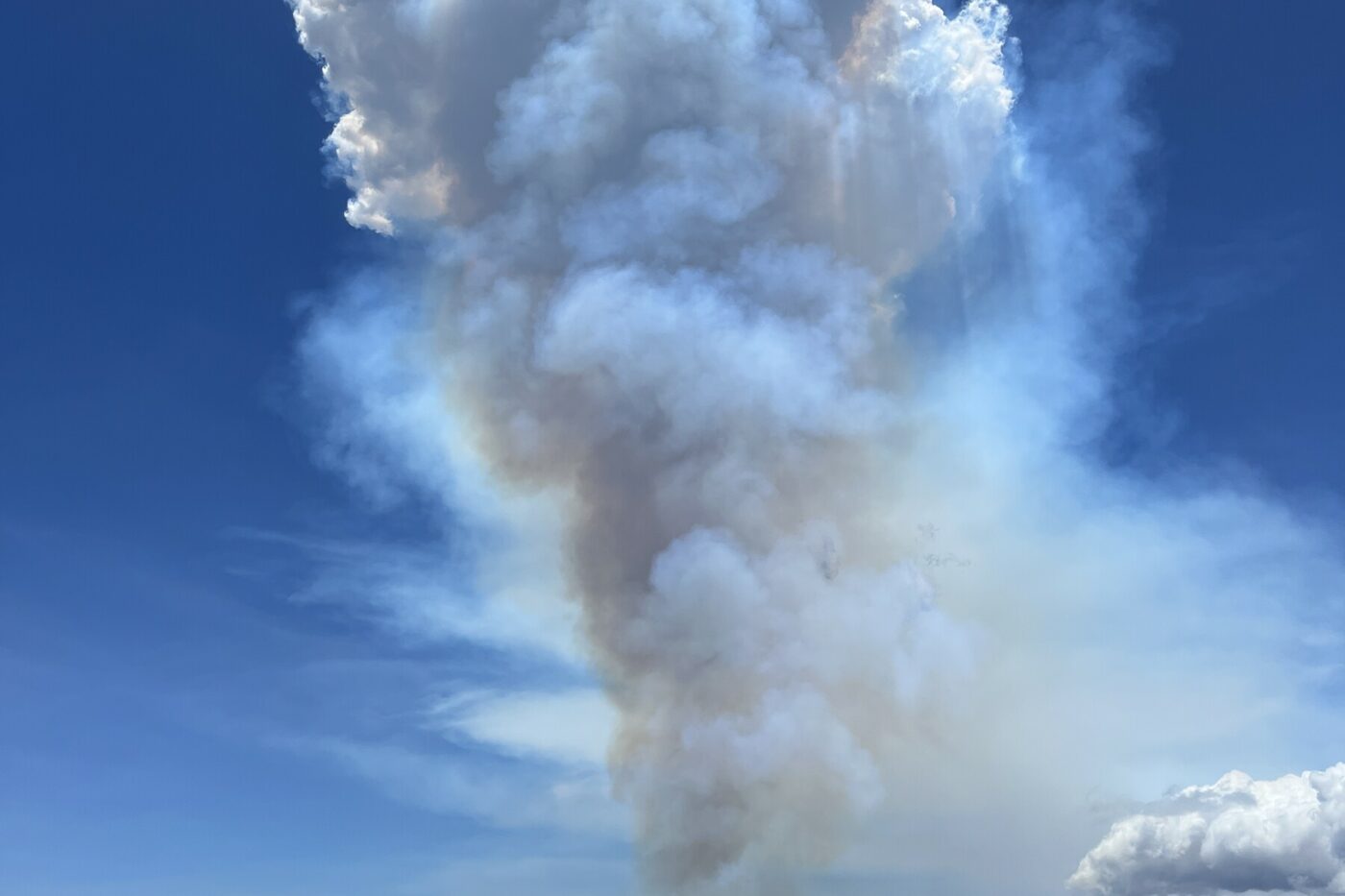
Kīlauea threw a fountain of lava roughly 500 feet into the Hawaiian sky on August 25, 2026. The plume climbed to about 17,000 feet above sea level. Visitors standing at Uēkahuna did not need a screen, a simulation or a special effect. They watched the planet build itself in real time.
Nine hours of fire
Episode 54 began at 10:30 a.m. local time inside Halemaʻumaʻu crater, at the summit of Kīlauea. At first, the north vent sent up a growing fountain and fed new lava across the crater floor. Two hours later, the fountain had reached an estimated 150 meters—about the height of a 45-story building—and a towering volcanic plume marked the summit from miles away.
The episode lasted about nine hours. That duration is part of what makes Kīlauea’s current behavior so mesmerizing: long periods of waiting are punctuated by concentrated displays of force. The landscape appears still, then suddenly reveals the pressure, heat and movement beneath it.
A landscape changing between photographs
This summit eruption began in December 2024 and has unfolded episodically. Each pulse adds material to the caldera. Tephra—the fragments of volcanic rock thrown through the air—has accumulated into a prominent hill downwind of the vents. Lava has spread over the crater floor, while the vent complex itself has grown closer to the rim.
That means the photograph is more than evidence of a spectacular afternoon. It records a place in transition. A future visitor will stand before a crater shaped in part by these hours, just as today’s visitor looks across layers left by eruptions that came before. Geologic time can feel abstract; at Kīlauea, it briefly becomes visible at human speed.
The science inside the spectacle
While visitors watched, scientists from the U.S. Geological Survey’s Hawaiian Volcano Observatory measured gases, observed the vents, sampled fresh material and maintained instruments repeatedly buried by fallout. Their work helps explain how each episode begins, how high the fountain may rise and where volcanic gas and fragments could travel.
The contrast is striking: a scene that looks elemental is also densely observed. Cameras, gas instruments, field samples and wind readings translate the eruption into information. Awe and analysis are not opposites here. The measurements make the wonder sharper because they reveal just how much is happening inside what the eye reads simply as fire.
How to look without taking
Kīlauea is not a theatrical object staged for visitors. It is an active volcano within a culturally significant landscape, and conditions can change rapidly. Closures, gas hazards, wind and eruption timing all determine what is safe and visible. The right response is attention: follow official park and USGS guidance, stay within open areas and resist treating risk as part of the adventure.
The most powerful image from episode 54 includes people along the overlook, small beneath the plume. Their scale tells the story. We are capable of measuring a lava fountain to the meter and tracking its gases across the sky, yet the sight still rearranges the senses. The photograph holds both truths at once: this eruption can be observed with precision, and it can still overwhelm the imagination. For nine hours in August, Kīlauea reminded everyone watching that the Earth is not a finished object. It is an event.
Sources
USGS Hawaiian Volcano Observatory: Episode 54 chronology
USGS: Episode 54 lava fountain and plume
USGS: Kīlauea eruption information