
Josephine Baker Never Stopped Moving—and Paris Is Still Catching Up
At 120, the performer, resistance agent and civil-rights voice refuses to become a frozen symbol.
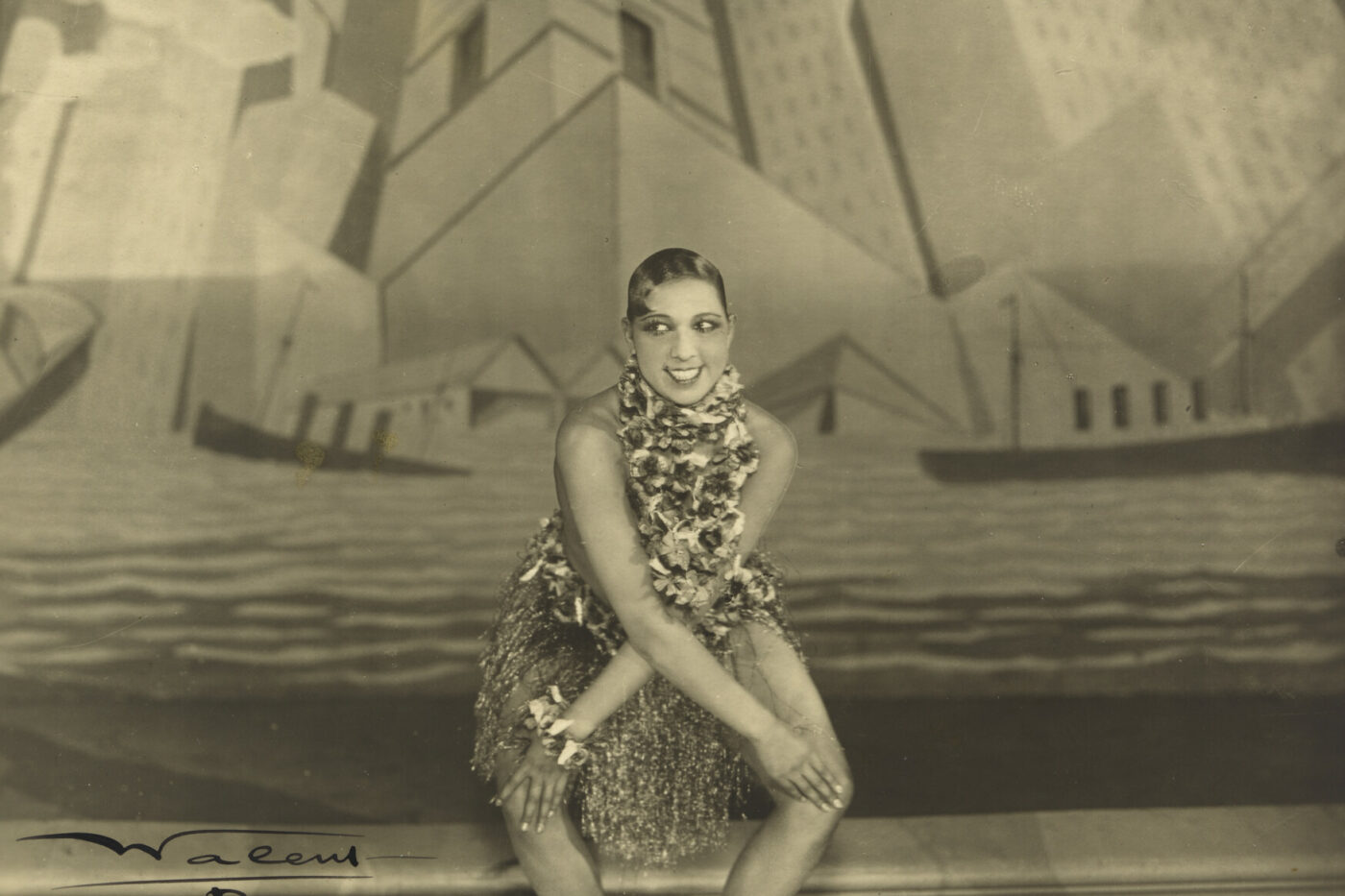
Josephine Baker never entered a room quietly. A century after she first electrified Paris—and 120 years after her birth—the city is opening its opera season by asking a more intimate question: what lived behind the spectacle? From September 9 to 19, 2026, the Palais Garnier presents Perle Noire: Meditations for Joséphine, a tribute that treats Baker not as a frozen symbol, but as a restless, complicated force.
The woman inside the icon
The famous outline is instantly recognizable: the dazzling performer of 1920s Paris, the fearless silhouette, the stage presence that seemed to turn movement into light. Yet Baker’s power was never only visual. Born Freda Josephine McDonald in St. Louis in 1906, she crossed the Atlantic while still young and discovered a version of freedom in France that the United States had denied her.
Paris made her a star, but stardom did not make her simple. She was a singer, dancer and actress; a Black American woman remaking herself in Europe; and an artist who understood that glamour could become a language. Her costumes were not decoration around the performance. They were part of the argument: the body onstage could be witty, sovereign and impossible to ignore.
What the spotlight could hide
The new Paris Opera production turns away from a conventional biographical parade. Composer Tyshawn Sorey and director Peter Sellars approach Baker’s inner life through music, voice and meditation. That choice matters. Icons are often remembered in a sequence of polished images, while doubt, loneliness, strategy and contradiction disappear outside the frame.
Baker’s public radiance coexisted with serious political courage. During the Second World War she worked for the French Resistance, using the mobility and access of celebrity in service of intelligence work. Later, she became a visible civil-rights advocate and spoke at the 1963 March on Washington. The same person who understood how to command a stage also understood how visibility could be spent on something larger than fame.
Why Paris is returning to her now
Anniversaries can reduce a life to ceremony. Baker resists that treatment. Her 120th year arrives at a moment when culture is again debating who gets to be seen, who controls an image and whether entertainment can carry political meaning without losing beauty. She answered those questions through action long before they became fashionable panel discussions.
Perle Noire places that conversation in the Palais Garnier, one of the grandest symbols of European performance. The setting creates an electric reversal. Baker once had to cross an ocean to find a public willing to see her. Now one of Paris’s most monumental stages is reorganizing itself around her interior world.
An icon who still feels unfinished
What makes Josephine Baker modern is not that she anticipated one trend. It is that she refused to stay in one category. She turned performance into self-invention, glamour into leverage, and celebrity into public responsibility. She could be playful without being trivial and political without surrendering pleasure.
That is why the image still moves. Baker is not important because history eventually placed her in the Panthéon or because Paris keeps producing tributes. She remains vital because her life asks the viewer to look twice: first at the brilliance, then at the will that produced it. The first look gives us the icon. The second gives us the person—and the reason the icon endures.
Sources
Paris Opera: Perle Noire: Meditations for Joséphine
Smithsonian National Portrait Gallery: Josephine Baker
Neue Nationalgalerie: Josephine Baker. Icon in Motion